

Unluckybolte
Unique
- Messages
- 2,522
- Reaction score
- 1,964
- Points
- 113
The Clock That Never Struck
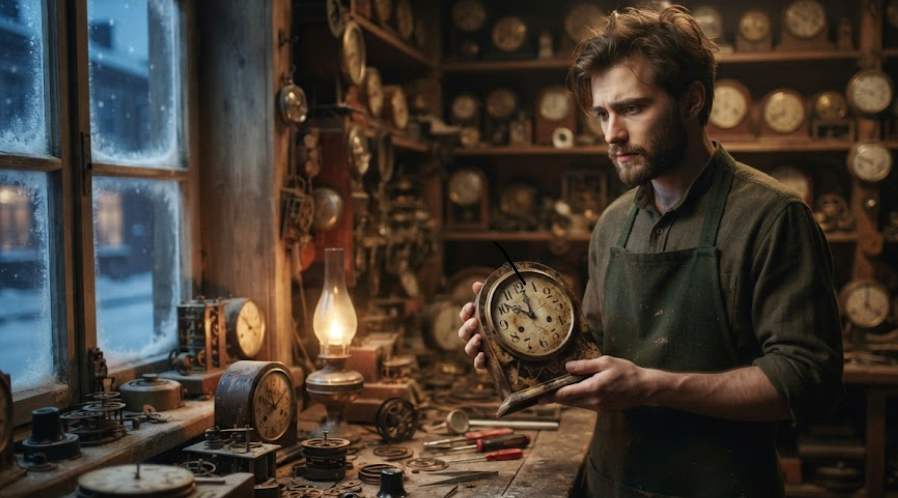
picture credits: Google Gemini
Have you ever told yourself, "I'll start tomorrow," and meant it with your whole heart? Most people have said this sentence a thousand times. And most people never notice that tomorrow has a way of becoming another today. This is the story of a young clockmaker named Elias, and the strange lesson a broken clock taught him about the one thing he could never get back.
Elias lived in a small town known for its long winters and slow mornings. He had inherited his father's workshop, full of gears, springs, and half-built clocks. He was skilled. Everyone said so. But Elias had one quiet habit that nobody noticed at first. He always waited for the right moment to begin.
If a customer brought him a broken clock, Elias would say, "Bring it back next week. I'll have more time then." If an idea came to him at night, he would think, "I'll build it tomorrow, when my mind is fresh." Tomorrow always sounded better than today. At first, this seemed harmless. A few days here. A few days there. But weeks folded into months, and months quietly folded into years. One evening, an old traveller entered his shop, carrying a clock so old its face had turned the color of tea. "Can you fix this?" the traveler asked. Elias turned it over in his hands. The gears were rusted. The glass was cracked. But something about it felt different from the others.
"Come back in three days," Elias said. "I'll fix it then."
The old man smiled, the way people smile when they already know something you don't. "Three days," he repeated. "That's exactly what I don't have." Then he left the clock on the counter and walked out without another word.
Elias placed the clock on his shelf, meaning to start the next morning. But the next morning, a different repair came in. And the next day, an idea for a new invention pulled his attention away. The old man's clock sat untouched, gathering dust between two others just like it.
Three days passed. Then a week. Then Elias forgot about it entirely.
One quiet afternoon, a boy came into the shop asking for the old traveler. "He said you were fixing his clock," the boy said. "He wanted it back today. He's leaving the town forever this evening." Elias's hands went cold. He rushed to the shelf, pulled down the clock, and worked faster than he ever had. His fingers trembled as he replaced the gears, cleaned the glass, tightened the spring. Within an hour, the clock was fixed. It ticked again, steady and alive. He ran through the streets to the edge of town, where a cart was already pulling away. "Wait!" Elias called out, holding up the clock. The old man turned, looked at it, then looked at Elias with something between sadness and understanding.
"You fixed it," the old man said. "But not for me."
"What do you mean?" Elias asked, breathless.
The old man stepped down from the cart and took the clock gently in his hands. "This clock belonged to my son," he said. "I wanted to give it back to him, working, before I left. He passed away last night." He paused. "Time doesn't wait for us to feel ready, young man. It only waits for us to notice it's gone. He climbed back onto the cart, holding the clock against his chest, and rode away. Elias stood in the road for a long time. Something in him had cracked open, quiet but permanent. That night, he sat in his workshop and looked around. Half-built clocks. Unfinished orders. Ideas he had promised himself he would start "soon." He realized he had spent years polishing tomorrow while today rusted in his hands. The next morning, Elias made a decision that felt small but was not small at all. He picked one unfinished clock — the oldest one on the shelf — and worked on it. Not because he felt ready. Not because the moment was perfect. He simply began. It was not easy. Old habits pulled at him. A part of him still whispered, "You have time later." But he had learned, painfully, that later is a promise time never keeps.
Day by day, he finished what he started. One clock. Then another. His shop, once crowded with things half-done, slowly filled with things complete. People noticed. Not because Elias worked faster than before, but because he no longer waited for the "right moment" to work at all.
Years later, an old woman walked into his shop, holding a clock that had stopped years ago. "Can you fix it?" she asked. Elias looked at her, then at the clock, then smiled in a way that carried the weight of everything he had learned.
"Yes," he said. "I'll start now." He picked up his tools before she had even finished sitting down. Somewhere in that town, there is still a clockmaker who understands something most people spend their whole lives avoiding. Time does not ask permission to leave. It does not wait for the mood to be right, the mind to be fresh, or the moment to be perfect. It only ticks forward, whether we begin or not. If you have been waiting for the right moment to start something you have been putting off, perhaps this is the reminder you needed. Somewhere, a clock is ticking for you too.
The only question is whether you will still be waiting when it finally stops.
picture credits: Google Gemini
Have you ever told yourself, "I'll start tomorrow," and meant it with your whole heart? Most people have said this sentence a thousand times. And most people never notice that tomorrow has a way of becoming another today. This is the story of a young clockmaker named Elias, and the strange lesson a broken clock taught him about the one thing he could never get back.
Elias lived in a small town known for its long winters and slow mornings. He had inherited his father's workshop, full of gears, springs, and half-built clocks. He was skilled. Everyone said so. But Elias had one quiet habit that nobody noticed at first. He always waited for the right moment to begin.
If a customer brought him a broken clock, Elias would say, "Bring it back next week. I'll have more time then." If an idea came to him at night, he would think, "I'll build it tomorrow, when my mind is fresh." Tomorrow always sounded better than today. At first, this seemed harmless. A few days here. A few days there. But weeks folded into months, and months quietly folded into years. One evening, an old traveller entered his shop, carrying a clock so old its face had turned the color of tea. "Can you fix this?" the traveler asked. Elias turned it over in his hands. The gears were rusted. The glass was cracked. But something about it felt different from the others.
"Come back in three days," Elias said. "I'll fix it then."
The old man smiled, the way people smile when they already know something you don't. "Three days," he repeated. "That's exactly what I don't have." Then he left the clock on the counter and walked out without another word.
Elias placed the clock on his shelf, meaning to start the next morning. But the next morning, a different repair came in. And the next day, an idea for a new invention pulled his attention away. The old man's clock sat untouched, gathering dust between two others just like it.
Three days passed. Then a week. Then Elias forgot about it entirely.
One quiet afternoon, a boy came into the shop asking for the old traveler. "He said you were fixing his clock," the boy said. "He wanted it back today. He's leaving the town forever this evening." Elias's hands went cold. He rushed to the shelf, pulled down the clock, and worked faster than he ever had. His fingers trembled as he replaced the gears, cleaned the glass, tightened the spring. Within an hour, the clock was fixed. It ticked again, steady and alive. He ran through the streets to the edge of town, where a cart was already pulling away. "Wait!" Elias called out, holding up the clock. The old man turned, looked at it, then looked at Elias with something between sadness and understanding.
"You fixed it," the old man said. "But not for me."
"What do you mean?" Elias asked, breathless.
The old man stepped down from the cart and took the clock gently in his hands. "This clock belonged to my son," he said. "I wanted to give it back to him, working, before I left. He passed away last night." He paused. "Time doesn't wait for us to feel ready, young man. It only waits for us to notice it's gone. He climbed back onto the cart, holding the clock against his chest, and rode away. Elias stood in the road for a long time. Something in him had cracked open, quiet but permanent. That night, he sat in his workshop and looked around. Half-built clocks. Unfinished orders. Ideas he had promised himself he would start "soon." He realized he had spent years polishing tomorrow while today rusted in his hands. The next morning, Elias made a decision that felt small but was not small at all. He picked one unfinished clock — the oldest one on the shelf — and worked on it. Not because he felt ready. Not because the moment was perfect. He simply began. It was not easy. Old habits pulled at him. A part of him still whispered, "You have time later." But he had learned, painfully, that later is a promise time never keeps.
Day by day, he finished what he started. One clock. Then another. His shop, once crowded with things half-done, slowly filled with things complete. People noticed. Not because Elias worked faster than before, but because he no longer waited for the "right moment" to work at all.
Years later, an old woman walked into his shop, holding a clock that had stopped years ago. "Can you fix it?" she asked. Elias looked at her, then at the clock, then smiled in a way that carried the weight of everything he had learned.
"Yes," he said. "I'll start now." He picked up his tools before she had even finished sitting down. Somewhere in that town, there is still a clockmaker who understands something most people spend their whole lives avoiding. Time does not ask permission to leave. It does not wait for the mood to be right, the mind to be fresh, or the moment to be perfect. It only ticks forward, whether we begin or not. If you have been waiting for the right moment to start something you have been putting off, perhaps this is the reminder you needed. Somewhere, a clock is ticking for you too.
The only question is whether you will still be waiting when it finally stops.

