

yogiyamada
Known
- Messages
- 164
- Reaction score
- 52
- Points
- 28
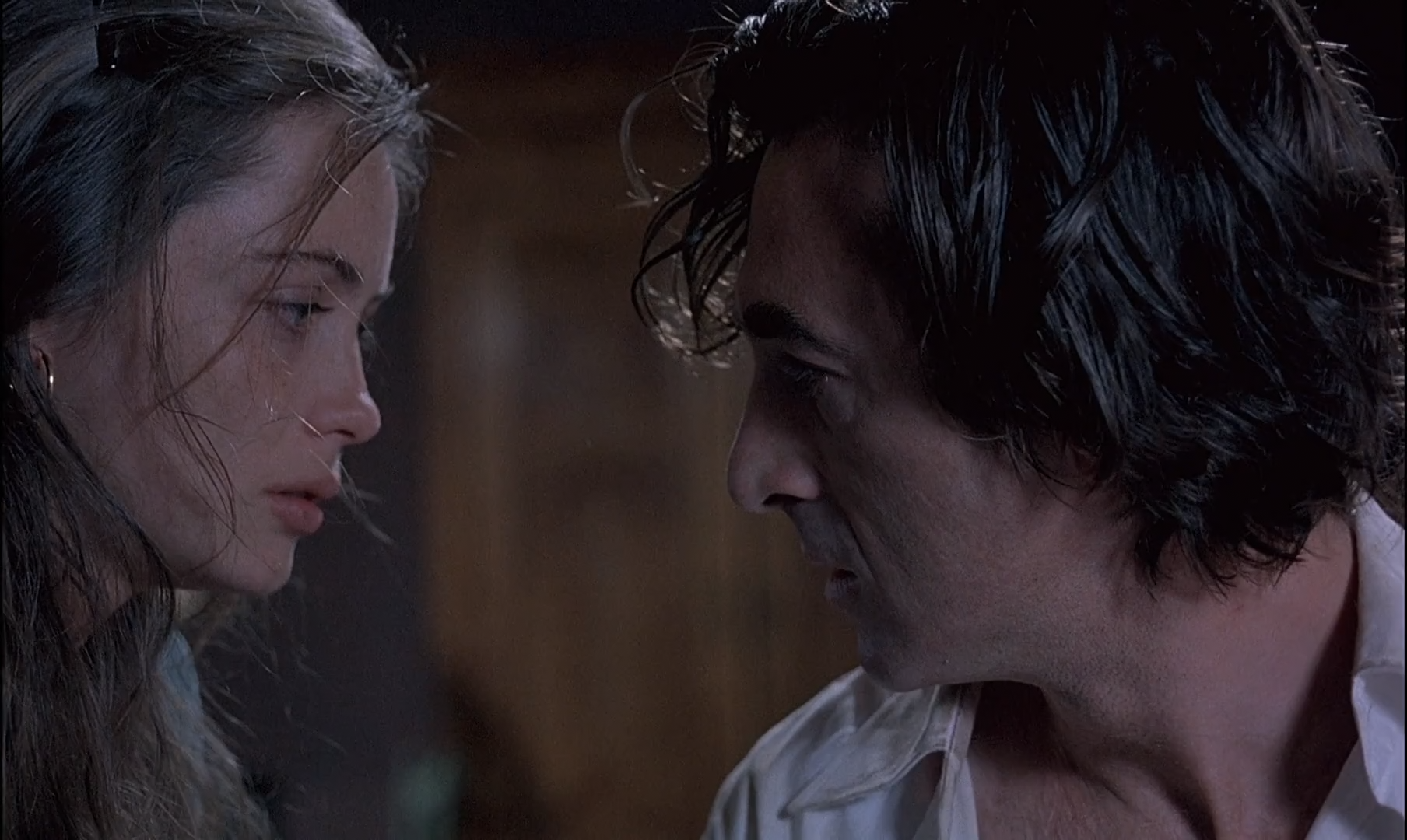
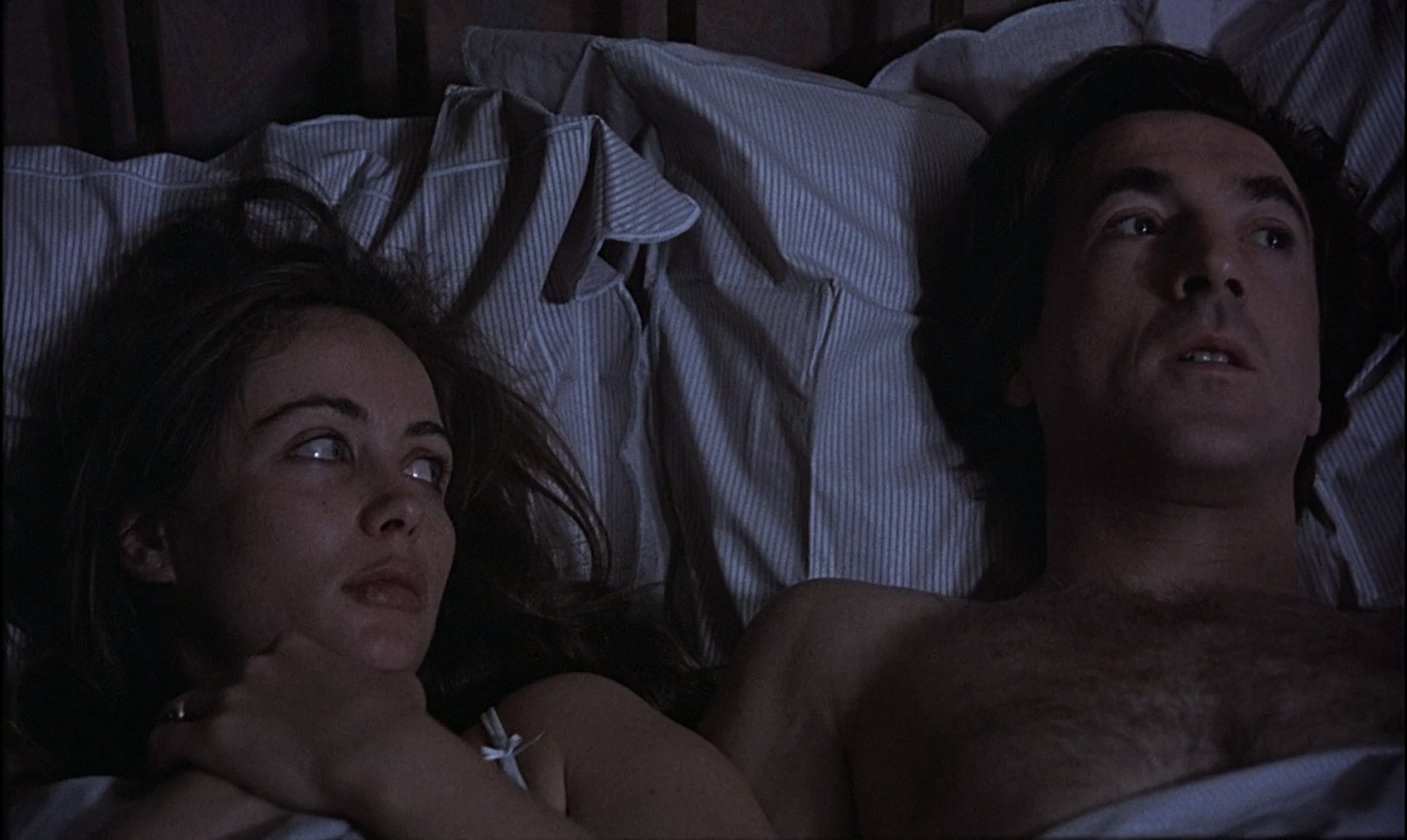
French psychological thriller that develops a subtle Hitchcockian progression, but ultimately transforms into an allegory of hell that feels closer to Sartre's existentialism than Dante's inferno. With an excellent Emmanuelle Béart and a perfectly cast François Cluzet in the leading roles, Chabrol delves into the theme of jealousy, reminding us of Shakespeare’s Othello but also of Buñuel’s Él.
As an interesting fact, in 1992, Chabrol purchased from Clouzot's widow the script that Henri-Georges Clouzot had written for L'enfer, a film he began shooting in 1964, but which he had to abandon due to the illness of the lead actor and later his own heart attack—reasons why Clouzot never finished the film (there is a documentary, L'enfer d'Henri-Georges Clouzot, about this unfinished project).
In L'enfer, although it might not seem obvious, time becomes a fundamental theme, allowing viewers to descend into the nightmarish and existentialist jaws of an anomalous hell. The score by Chabrol’s son, Matthieu, adds moments of intense drama and growing suspense, blending beautifully with fragments of Dvořák.
Moving between innocence and seduction, Nelly (Béart) plays a central role in Paul’s (Cluzet) temporal delirium—it's as if, through her sudden, childlike movements, she advances at a frantic pace, contrasting with her husband's slowed and tormented suffering.
Chabrol plays with the ambiguity of the story, resisting the temptation to indulge in the fetishism of a psychotic gaze. The final allegory leads us into a twisted time loop, in and out of the mirror—a haunting reflection of a fractured reality.
Trailer
As an interesting fact, in 1992, Chabrol purchased from Clouzot's widow the script that Henri-Georges Clouzot had written for L'enfer, a film he began shooting in 1964, but which he had to abandon due to the illness of the lead actor and later his own heart attack—reasons why Clouzot never finished the film (there is a documentary, L'enfer d'Henri-Georges Clouzot, about this unfinished project).
In L'enfer, although it might not seem obvious, time becomes a fundamental theme, allowing viewers to descend into the nightmarish and existentialist jaws of an anomalous hell. The score by Chabrol’s son, Matthieu, adds moments of intense drama and growing suspense, blending beautifully with fragments of Dvořák.
Moving between innocence and seduction, Nelly (Béart) plays a central role in Paul’s (Cluzet) temporal delirium—it's as if, through her sudden, childlike movements, she advances at a frantic pace, contrasting with her husband's slowed and tormented suffering.
Chabrol plays with the ambiguity of the story, resisting the temptation to indulge in the fetishism of a psychotic gaze. The final allegory leads us into a twisted time loop, in and out of the mirror—a haunting reflection of a fractured reality.
Trailer